Fire doors
How often should fire doors be inspected?
Understand the England rules for routine fire door checks, when the 11-metre threshold applies, and how to plan specialist surveys, access attempts and follow-up repairs across a property portfolio.
There is no single inspection interval that answers every fire door question. In England, specific routine check duties apply to certain residential buildings above 11 metres. Detailed assessment, maintenance and follow-up work are separate matters, informed by the building's circumstances and fire risk assessment.
That distinction matters when setting a budget. An annual specialist survey and a routine annual flat entrance door check are not automatically the same service. Specify what needs to be checked before comparing prices or setting a portfolio-wide calendar.
The quarterly and annual requirements
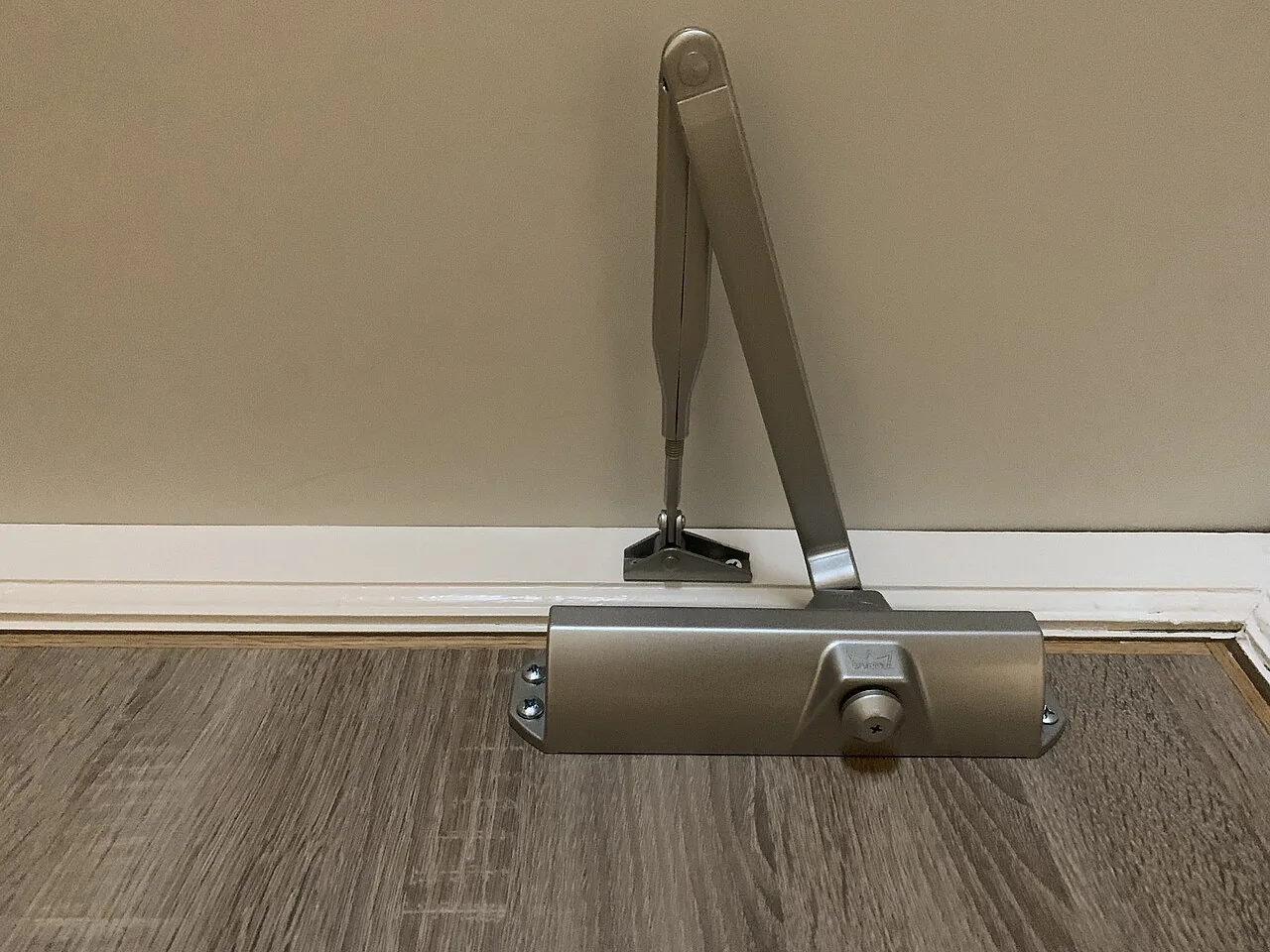
Under Regulation 10 of the Fire Safety (England) Regulations 2022, for applicable multi-occupied residential buildings above 11 metres, the responsible person must check communal fire doors at least every three months and use best endeavours to check flat entrance fire doors at least every 12 months. Checks include self-closing devices.
The government fire door guidance describes the threshold by reference to the top storey being more than 11 metres above ground. Do not substitute a rough count of floors for confirmed building information.
| Door group in an applicable building | Routine check interval |
|---|---|
| Fire doors in communal areas | At least every three months |
| Flat entrance fire doors | Best endeavours, at least every 12 months |
These are England-specific requirements. They should not be presented as a universal UK timetable for every office, school or residential building.
What about buildings below the threshold?
Being below the threshold does not remove wider fire safety duties. The official fire doors fact sheet explains that the duty to take general fire precautions remains. A building's fire risk assessment and management arrangements therefore still matter.
For a mixed portfolio, maintain a building-by-building basis for the schedule. Record the building type, confirmed height information, relevant assessment recommendations and the person who approved the programme. This avoids a single copied spreadsheet rule becoming the organisation's only explanation for its inspection arrangements.
Routine checks and specialist surveys serve different purposes
Routine checks look for straightforward changes in condition or operation. Technical questions about the suitability of a door, its construction or a proposed repair can require a different scope and competence.
The simple checks required by Regulation 10 do not inherently require a specialist contractor. Appropriately instructed staff may undertake them. Where you need a documented investigation beyond that routine remit, discuss a fire door survey and explain what the assessment has identified.
There is no general rule in these regulations requiring a full specialist survey of every door every three months. Equally, a technical survey on one date does not run the ongoing checking programme for you.
Build the calendar around individual doors
Start with a door register, not just a list of blocks. Give communal doors and flat entrance doors consistent references, then record the last completed check and next planned visit. Keep cancelled visits and outstanding access visible.
For example, completing 38 doors in a 40-flat block should not mark the whole block “complete”. The remaining two doors need their own recorded status and follow-up arrangements. A summary percentage can help management reporting, but the individual entries are what enable the next action.
Separate the date of the check from the date a defect was repaired. Otherwise a later repair can accidentally overwrite the evidence of when the inspection happened.
Plan access before the due date
Best endeavours involves actively seeking access and recording the steps taken; it is not simply sending one letter and closing the task. Regulation 10 requires records of the steps taken and any cases where access was not granted.
Operationally, leave room for repeat appointments. Offer a clear contact route and coordinate with the housing team where residents need support. Our resident access and appointments guide provides a practical starting point for planning communication.
Ask contractors to distinguish “no access”, “partially checked” and “checked with an identified issue”. Those outcomes need different follow-up actions and should not be merged into one unresolved category.
Act on defects between scheduled checks
A future appointment is not a reason to postpone responding to a reported fault. Make sure residents and site teams know where to report concerns, who receives them and how they reach the person responsible for assessing the next step.
Use the findings to organise fire door maintenance, retain the work records and confirm that outstanding actions are reviewed. For a new survey programme, our preparation guide helps you assemble the information a contractor needs.
Sources and further reading
Last checked: 14 October 2026. This article addresses England; requirements elsewhere should be checked separately.