Planning
Passive fire protection records: what a useful handover should contain
Know what to request after passive fire protection works, from location references and photographs to system evidence, outstanding items and an accessible maintenance record.
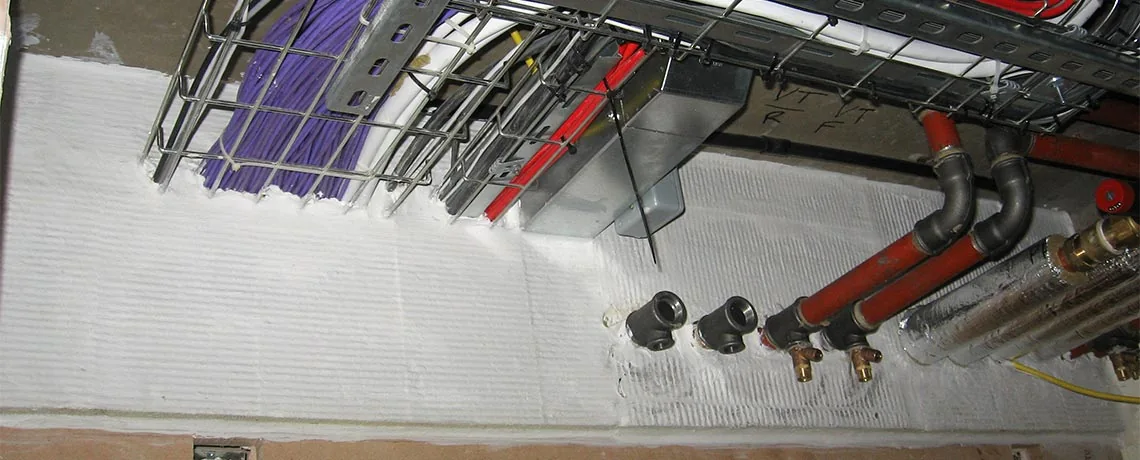
After passive fire protection work, someone who was not on site should be able to find the location, understand what was done and identify the evidence supporting it. If that requires searching through unrelated photographs and an invoice, the handover is not doing enough for the building's management team.
Useful records connect individual assets and installations to the agreed scope. They also explain what was not completed. This guide offers a practical information structure for property managers commissioning work in England; the required documents depend on the project and applicable duties.
What does “fire stopping certification” actually mean?
The term can be used for several different documents. Before placing an order, ask exactly what the contractor proposes to supply, who issues it and which work it covers.
A product's test or classification information describes performance under stated conditions. Manufacturer instructions describe an applicable installation arrangement. An installation record describes work at a particular location. A certificate issued under a third-party scheme has the scope and conditions of that scheme. These documents answer different questions and should not be treated as interchangeable.
Ask bidders to provide a redacted example of their handover pack. Check whether it lets you follow one installation from the location drawing to the work record and supporting technical information. This is more informative than a promise to provide “all certificates”.
Give each location a reference that lasts
Choose the location system before work starts. Use a building, floor and room or area reference that the client can maintain. Include a marked plan where it adds clarity, especially in risers, ceiling voids or large communal areas.
Avoid relying solely on a photograph of a finished surface. Similar corridors and cupboards can be difficult to distinguish later. The reference should appear consistently in the works schedule, photographs, inspection records and any applicable label.
When several teams use different registers, agree a mapping between them. Replacing a survey reference with an unrelated installation number without keeping the connection makes future reviews unnecessarily difficult.
Agree the record fields with the people who will use them
A practical work record will usually need enough information to answer:
- Where is the installation, and which survey finding or instruction does it address?
- What construction, opening and services were encountered?
- What system and supporting detail were specified for that situation?
- Who completed the work and when?
- What checks were made, by whom, and with what outcome?
- Which photographs and documents support the record?
- Were there approved changes, limitations or outstanding actions?
The detail needed varies with the work. Agree it with the technical team instead of treating a generic spreadsheet as a specification. Our fire stopping service provides a starting point for discussing a defined remedial package and its reporting requirements.
Photograph the stages that explain the work
Final photographs are useful, but some important conditions will be concealed by the finished installation. Plan the evidence needed while the relevant detail remains visible, with the checking arrangements appropriate to the scope.
Photographs should be clear, connected to a location and purposeful. A large folder of duplicate images is harder to review than an organised record. Keep resident names, personal possessions and unrelated sensitive information out of photographs wherever possible, and agree access controls for the files.
If evidence is missing, record the gap and agree how it will be resolved. Do not label an installation verified solely because a photograph exists.
Keep exceptions visible at handover
Separate completed work from inaccessible locations, design queries, items awaiting another trade and any excluded areas. Each unresolved item needs an owner and next step. An overall completion percentage can conceal a small number of significant outstanding issues.
Check that the final schedule reconciles with the agreed scope and approved changes. Ask for editable location data where appropriate, alongside a fixed issue of the handover documents. Confirm the client can open and retain the files without relying on an individual contractor's account.
Our after-work checklist can help organise the questions to resolve before accepting the information package.
Where the golden thread applies
England has specific digital information duties for those responsible for relevant higher-risk building work and high-rise residential buildings. The Building Safety Regulator's golden thread guidance explains the relevant roles and information requirements. A contractor's handover pack can contribute to that record; it is not the whole golden thread.
For other properties, a coherent record is still useful operationally. Review access permissions, nominate an information owner and update records after subsequent work. A well-documented installation can be affected by a later cable, pipe or alteration, so connect your maintenance process to the building's change controls.
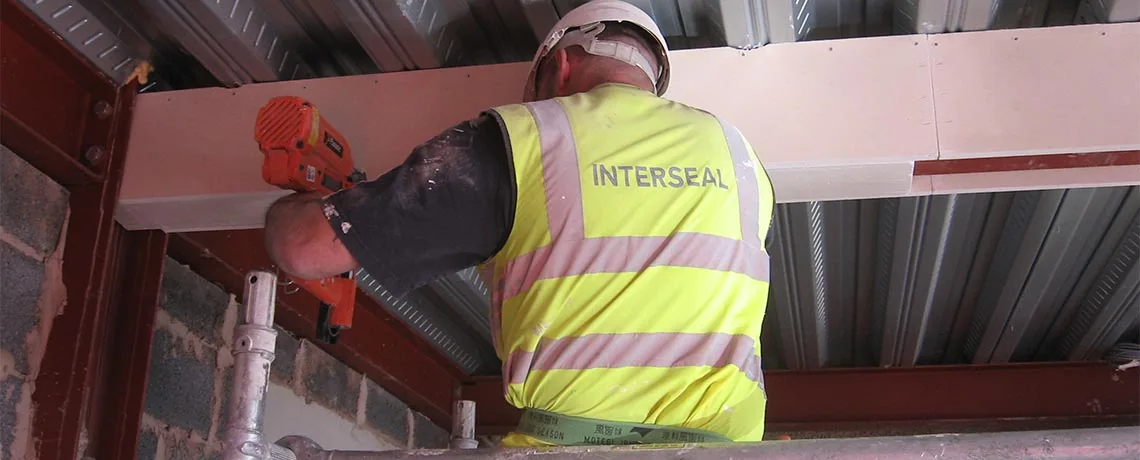
Interseal's historical Fabrick Group programme describes an approach combining identification labels, works registers, plan references and photographs. That connection between physical work and usable records remains a helpful basis for a project brief.
Sources and further reading
Checked 14 October 2026. This suggested handover structure should be adapted to the contract and building.